Most cars look fine under the gas station canopy. In a sunny parking lot or under the lights of a garage, the story changes. Swirls reveal themselves, plastic trim looks chalky, and the glass has a film you only notice when you drive into the sun. That is where a proper car detailing service earns its keep. It is less about making paint shiny and more about restoring materials, protecting them from the next round of abuse, and setting up a maintenance routine that keeps the vehicle looking crisp month after month.
Detailing spans both land and water. The foundation is the same, clean, correct, protect, but the techniques and chemistry diverge when you move from clear coat to gelcoat and from rainwater to salt spray. This guide draws on real work in the bay and at the marina, translating industry jargon into practical steps you can use to evaluate a provider, maintain your own vehicle, and understand what is worth paying for.
What a Car Detailing Service Actually Does
A thorough detail touches every major surface, inside and out. On the exterior, that means a safe wash, chemical decontamination, clay bar work if needed, a polishing step to refine gloss, and then a layer of protection that suits the hugosdetails.com Boat ceramic coating way you use the car. Inside, it means purging embedded dirt from carpets and seats, treating leather to keep it supple, and leaving hard surfaces clean without the greasy sheen that attracts dust.
The end product is measurable as well as visible. You can track gloss units with a meter, but you also feel it. Properly corrected paint feels slick under a microfiber towel. Trim keeps its depth for weeks rather than hours. The windshield needs fewer wiper passes in the rain. These are small signals that the basics were done right.
The Building Blocks of Exterior Detailing
A safe wash sets everything else up. Two buckets, clean mitts, pH balanced soap, and a willingness to rinse often matter more than any single product. After washing, bonded contaminants like tar, rail dust, and overspray often remain. Chemical decontamination with iron removers, followed by clay, levels the playing field so polish can work on paint rather than stuck-on grit.
Polishing does the heavy lifting. Not every car needs compound-level abrasion. On a lightly swirled daily driver, a finishing polish on a foam pad restores clarity without biting hard into the clear coat. On a neglected surface, a staged approach, compound first with a microfiber or wool pad, then a refining step, removes haze and sharpens reflections. Technique beats pressure. Slower arm speed, balanced pressure, and appropriate pad priming keep temperatures in check and produce consistent results.
Protection is the armor. Some clients prefer a traditional wax for the soft glow, especially on darker colors. Many opt for a modern sealant or a ceramic coating for extended durability and stronger chemical resistance. The best choice depends on how often you wash, where you park, and what kind of contaminants your car sees.
How Hugo's Auto Detailing Approaches Paint Correction
Paint correction is equal parts measurement, lighting, and restraint. At Hugo's Auto Detailing, the first step is always inspection under mixed lighting, color-match LEDs, diffuse softboxes, and a pass into daylight if possible. We measure paint thickness on every panel. Factory clear coat can range from roughly 30 to 60 microns within total paint layers of 80 to 160 microns, and edges are often thinner. You do not spend what you cannot replace.
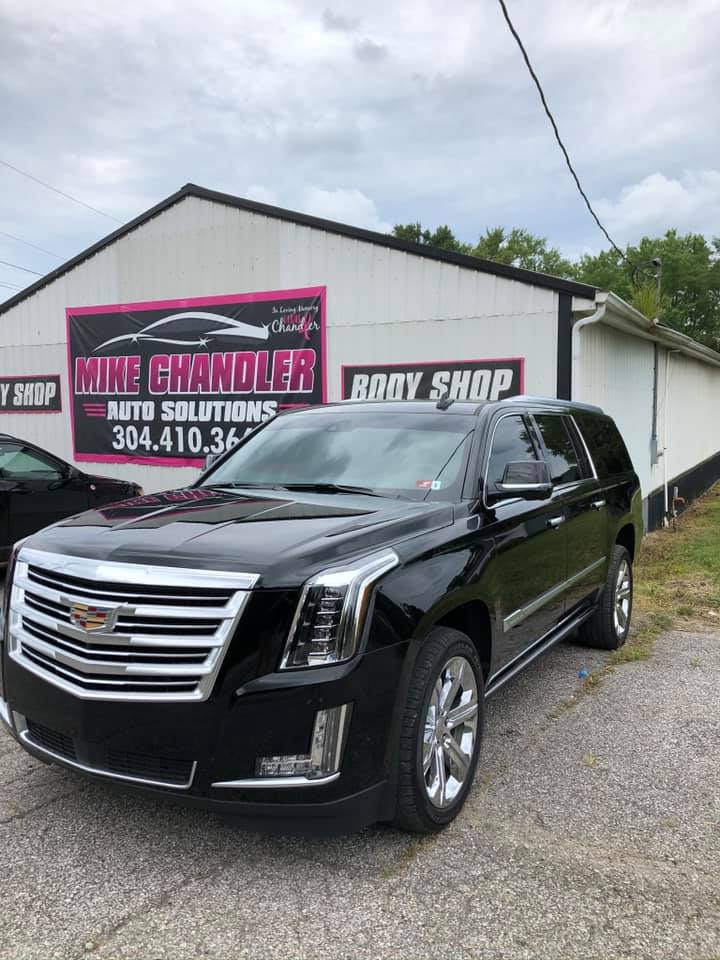
A common scenario is a black SUV with dealership-installed swirls and a few bird dropping etchings. Those etchings are acidic and can dive below the clear surface. The quick fix is to chase them with an aggressive compound on a cutting pad, but that can leave halos and unnecessary microns on the floor. Our play is to spot compound the etches, refine the broader area with a medium polish, then finish with a fine polish to remove micro marring. We tape off high-risk edges and plastic bumpers, which dissipate heat poorly. The difference shows under a scan light, no holograms, no haze, and more of the clear coat remains to fight tomorrow’s UV.
Interior Detailing That Actually Lasts
Interior detailing starts with dry work. A brush, compressed air, and smart vacuuming pull grit from seams so it does not turn to mud when a cleaner hits it. For fabric seats and carpets, the right approach depends on the stain. Protein spills like milk respond to enzyme cleaners and a long dwell, while tannin stains from coffee ask for low pH products and patience. Over-wetting saturates foam and invites wicking, so we work in small sections with controlled moisture, then extract thoroughly and run airflow until the interior reads dry on a moisture meter.
Leather care is about pH and residue. Most modern automotive leather is coated, so you are cleaning a finish rather than bare hide. Strong alkalines strip that coating and leave the surface sticky. A gentle cleaner, a soft brush, and microfiber removal keep pores from clogging. Conditioners should leave a matte, non-slip feel. If your seat looks shiny afterward, it is wearing product, not health.

Odor removal is another place where restraint pays off. Ozone has its place, but we use it only after the source is removed, and for controlled intervals, typically 15 to 30 minutes per cycle with ventilation, to avoid long-term material damage. Steam is excellent for hard-to-reach crevices and sanitization but can bloom soft-touch coatings if you linger. The test is always results in a week, not an hour after pickup.
A Safe Wash, Reduced to a Short Checklist
- Pre-rinse thoroughly to float grit away before contact. Use two wash buckets with separate mitts for paint and lower panels. Rinse mitts often, and reapply soap lubricity as you go. Dry with a clean, plush towel and a drying aid to reduce friction. Blow water from emblems and mirrors to prevent drips and spotting.
The Nuance of Glass, Wheels, and Trim
Glass seems simple until you face tint, rain repellent residue, and sunbaked film. We work edges first, roll windows slightly to clean the top seal area, and finish with a dedicated glass towel. A tiny amount of product and two towels, one for initial wipe, one for final buff, prevent smears. Hydrophobic coatings on the windshield change how wipers behave, so we often coat side glass and mirrors for easier cleaning, and use a wiper-safe, lower slickness product on the windshield itself.
Wheels and tires deserve their own tools. Acid-based wheel cleaners can etch bare aluminum and stain calipers, so we favor pH balanced products or targeted iron removers for European brake dust. Tires need thorough stripping before a dressing will bond. A brown foam on the brush means contaminants are still bleeding out. We dress to a satin finish that will not sling onto the fenders.
Trim restoration is about saturation and cure. When you apply a trim coating to oxidized plastic, it drinks the first coat. We often lay two or three light coats with 10 to 15 minutes between, then monitor water behavior after the first wash to confirm bonding. A quick glaze on trim looks good for a day and then returns to gray.
Protection Options Compared, From Wax to Ceramic
- Carnauba wax: warm look, lasts a few weeks to a couple months, easy to maintain. Synthetic sealant: crisp shine, 4 to 6 months under regular washing, good slickness. Ceramic spray coating: strong hydrophobics, 6 to 12 months, easy toppers for upkeep. Professional ceramic coating: chemical resistance and gloss measured in years when maintained, requires meticulous prep and controlled application.
The right choice is not always the longest-lasting. A garage queen that sees 1,000 miles a year can look stellar on a sealant and gentle wash routine. A commuter parked under trees benefits from a true ceramic coating that shrugs off sap and etching longer. Maintenance is the equalizer. If the car will not be washed for a month at a time, hydrophobics matter less than self-cleaning properties and chemical resistance.
Marine Detailing Is Not Just Car Detailing on Water
Marine detailing deals with gelcoat, not clear coat, and the chemistry of salt, sun, and biological growth. Gelcoat is thicker and more porous. It oxidizes heavily, showing as a chalky, dull surface that transfers to your hand. Cutting that oxidation back requires heavier compounds, rotary machines, and a different rhythm. Work in the cool of the morning. Panels heat fast in direct sun and can swell, trapping oils that mask defects. We clean hardware with metal polishes that protect against salt pitting, and we pay attention to isinglass, which scratches with a wrong towel and turns cloudy long before paint ever would.
A proper Boat detailing service starts with a freshwater rinse to remove salt crystals before contact. Teak needs its own path, mild cleaners in the direction of the grain, no aggressive scrubbing that raises fibers. Non-skid decks trap grime; we agitate cleaners into the texture instead of blasting with pressure that forces water into seams. Below the waterline, growth and staining can call for acid-based hull cleaners, but those are used in short, controlled dwell times with immediate neutralization. A good marine detail extends beyond cosmetics. It adds grip back to non-skid, removes slippery tire shine residues from steps, and keeps sightlines clear through cockpit enclosures.
Boat Ceramic Coating and Marine Gel Coating, When and Why
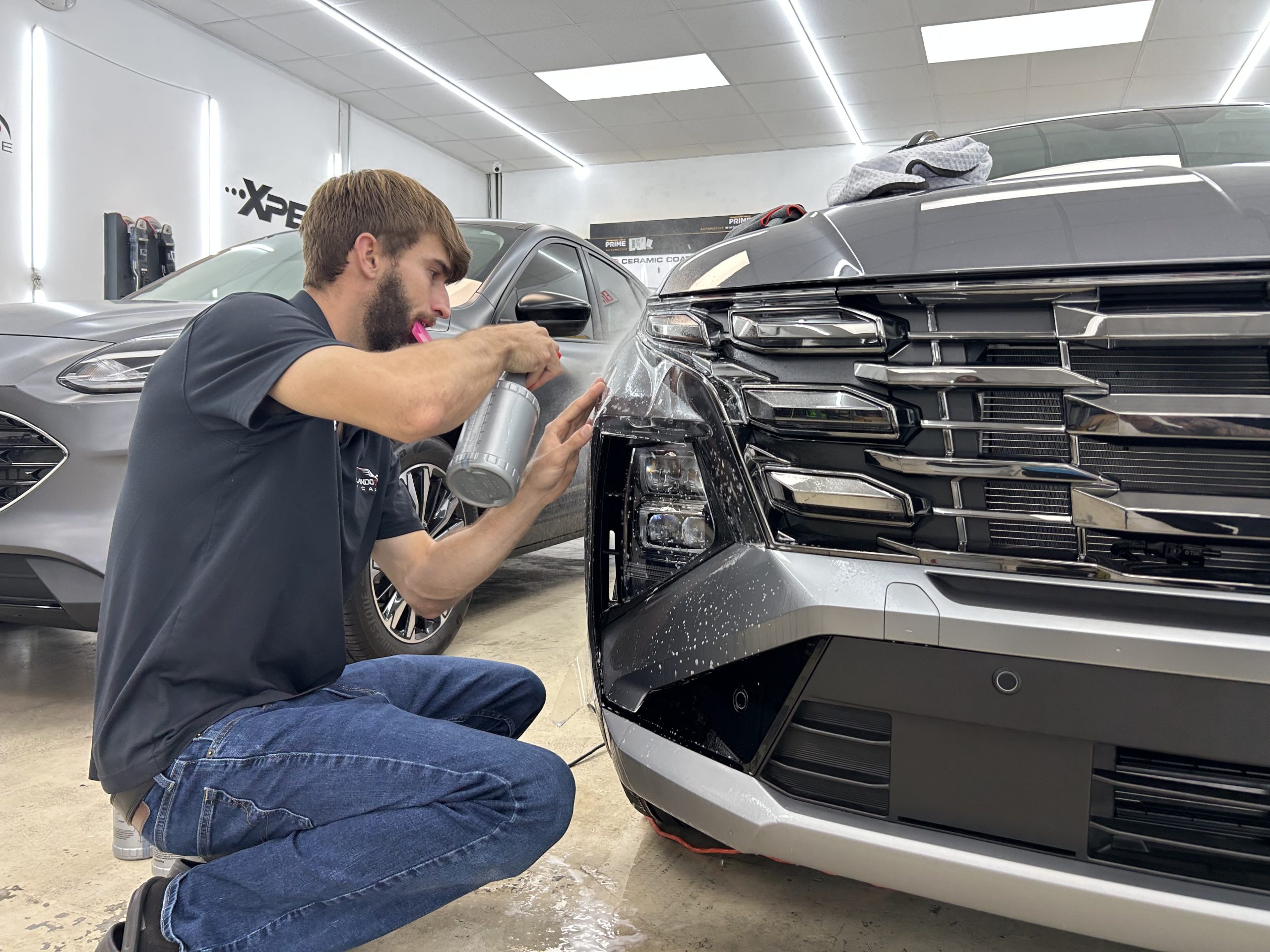
On water, UV and salt push protection to its limits. Boat ceramic coating products bring the hardness and chemical resistance of automotive ceramics, but are formulated for gelcoat and the abuse of dock rub. The prep is everything. Oxidation must be fully removed, not masked. Oils from compounds need to be stripped with panel wipes. Applied correctly, a marine ceramic reduces chalking, keeps colors deep, and makes washdowns quicker because growth finds less to hold onto.
Marine gel coating is a phrase that can mean two things in the field. Some people refer to it as the original gelcoat on the hull, others mean a dedicated protective coating designed for gelcoat. We mean the latter here, a protective layer applied after polishing, often thicker than automotive coatings, with flexibility to handle hull expansion and contraction. Think of it as a sacrificial skin that takes UV and salt before the gelcoat does. It will not make a neglected hull perfect, but on a restored surface it slows down the slide back to oxidation.
Marine Detailing the Hugo's Auto Detailing Way
A 28-foot center console came to us with heavy oxidation above the rub rail and foggy isinglass. The owner washed with a stiff deck brush, salt remained in the fabric seams, and the non-skid felt slick from repeated use of a silicone tire dressing on the gunwales. We split the job by zones. First, a deep rinse and a low pH wash to dislodge salt. Second, compound the hull with a rotary and wool pad, then refine with a foam pad to sharpen the gloss. We masked rubber trims to avoid staining. For the isinglass, we used a plastic-safe polish by hand with a foam applicator, then wiped with a dedicated towel that never touches paint. The non-skid cleaned up with an oxygenated cleaner and a soft brush, backed by a rinse that moved soil off the deck, not into the scuppers. We finished with a boat ceramic coating above the waterline and a dedicated coating for the metals. Two months later, the owner reported washdowns took half the time and the lookout through the enclosure was dramatically clearer on early morning runs.
Where Interior Detailing Meets Daily Life
If you haul kids, dogs, or tools, the clean car fantasy evaporates by Thursday. Smart protection helps. Fabric protectants make coffee bead up, but they need even coverage and periodic renewal. On leather, we skip glossy dressings in favor of matte protectants with UV inhibitors. For pet owners, we keep a rubber pet hair block in the trunk and show clients how to pull hair toward a crevice rather than fight it across a seat. The trick with sand is airflow. A strong blast followed by a thorough vacuum reduces the feeling of grinding grit in the carpet.
We have had clients arrive with baking soda spread across a seat to cover a spill. Baking soda is alkaline and can leave white rings if overused. A better move is to blot with microfiber, apply a targeted cleaner for the spill type, and dry under airflow. If the spill soaked into foam, a proper extraction and, in some cases, removing the seat for backside access, saves time and prevents lingering odor.
The Role of Maintenance, Weekly to Yearly
Detailing is not a one-time event. A coat of protection that is never washed will fail fast. A car that is washed correctly every two weeks can make a simple spray sealant look like a hero all year. Frequency matters more than intensity. A five-minute pre-rinse before contact, a pH balanced soap, and a gentle drying aid go a long way. Quarterly, a decontamination wash with an iron remover resets the surface. Annually, consider a light machine polish to remove the faint wash marks that accumulate even in careful hands. For boats, a freshwater rinse after every outing is the best habit you can build. A top-up spray sealant on a coated hull keeps hydrophobics strong and reduces chalking.
Hugo's Auto Detailing Lessons From the Bay
We like process over product. At Hugo's Auto Detailing, we learned the hard way that chasing perfection on thin edges is not worth the risk. A BMW M4 with a repainted fender came in for paint correction. The panel measured thin at the top crease, roughly 70 microns total with visible orange peel. Our plan changed on the spot. We skipped aggressive compounding on that edge, used a reduced polish mix with a soft pad, and tempered expectations with the owner. The rest of the car finished to a near-mirror, the fender to a respectable glow with texture intact. A detailer with a fixed plan would have burned through.
We also track how cars age between visits. A Subaru Outback that parks under a eucalyptus tree sees sticky sap that etches. We tried a ceramic coating that had great slickness but mediocre chemical resistance. The sap ghosted if not removed within hours. On the next cycle, we shifted to a ceramic with higher acid resistance and paired it with a decon-safe topper. The sap wiped off a week later without etching. Not all shine is equal. Matching chemistry to your reality is the win.
What to Ask Before You Book a Car or Boat Detailing Service
A good provider should be comfortable talking about process. Ask how they handle a black car in direct sun, or what they do around repainted panels. If you are getting a ceramic coating, ask about surface prep, panel wipe steps, and curing windows. On a boat, ask how they approach non-skid, isinglass, and metals, and whether they have a plan for acid products near sensitive surfaces. Insurance and a clean, organized workspace tell you as much as any before-and-after photo. A small but revealing question is about towels. If they do not separate glass towels from general use, expect streaks.
When DIY Makes Sense, and When It Does Not
Plenty of the routine is safe and satisfying to do yourself. A careful wash, interior wipe-down, and vacuum can keep a car in top shape between professional visits. If you have a small scuff from a grocery cart, a spot polish by hand with a fine compound can reduce its visibility. Know your limits. Machine polishing without training can leave holograms that show under the sun, and aggressive compounds remove clear coat you cannot put back. On boats, a quick freshwater rinse, a mild soap on vinyl seating, and careful towel choice for isinglass are perfect DIY tasks. Heavy oxidation removal on gelcoat is best left to a professional with the right rotary technique and compound system.
Edge Cases and Trade-offs Worth Knowing
Matte paint is one. You do not polish matte finishes. The texture that creates the low sheen is the finish. Clean gently and protect with products made for matte surfaces. Bug gut removal is another time-sensitive task. The enzymes in insects etch paint quickly in heat. A soak with a bug remover and a gentle wipe takes priority over waiting for wash day. For ceramic-coated cars, avoid strong alkaline washes unless you are intentionally resetting the surface. On boats, electrical panels and exposed terminals deserve protection during washdowns. We cover them or wash with care to avoid pushing water where it never belongs.
Winter changes the math. Road salts bond to paint and aluminum trim. A pre-soak with a salt-neutralizing shampoo helps. Do not expect a perfect wash in freezing temps. Focus on the undercarriage and door jambs to prevent corrosion, then refine in spring. For coastal boats, watch for dissimilar metal corrosion. A shiny stainless fastener seated in aluminum needs a protective layer, otherwise you invite pitting.
How Exterior and Interior Detailing Intersect With Resale
Buyers read a car’s story through details. Yellowed headlights suggest neglect. A clean engine bay, not glossy with dressing, hints at consistent care. Crisp trim and an interior that smells like nothing signal that maintenance matters to the owner. In our experience, a well-detailed car can close a private sale faster and with fewer negotiations. On boats, clear canvas and oxidation-free gelcoat show the vessel has not been baking under sun and salt without attention. You are not fooling an expert buyer, but you are giving them fewer reasons to pause.
Bringing It Together
Detailing is a craft with technical tools and a lot of judgment. It is also the difference between fighting a dirty car every week and owning a vehicle that stays easy to clean. Whether you book a car detailing service once a year and maintain it yourself, or you schedule regular visits, the recipe stays consistent, clean carefully, correct what you need to, protect with the right chemistry, and adjust for how and where you drive or sail. When your processes match your reality, the finish holds, the cabin feels calm, and you enjoy the drive, or the run to the inlet, just a little more.
Hugo's Auto Detailing
1610 East Valley Rd, Montecito, CA 93108
(805) 895-1623
Auto Detailing FAQ
How Long Does Car Detailing Take?
Car detailing typically takes between 2 and 8 hours, depending on vehicle size, condition, and whether paint correction or ceramic coating is included.
How often should I get my car detailed?
Most vehicles should be detailed every 3 to 6 months, with more frequent service recommended in coastal environments or high-use conditions.
What Does A Full Boat Detail Include?
A full boat detail typically includes exterior washing, surface decontamination, oxidation removal as needed, and interior cleaning. Protective treatments are then applied based on the boat’s materials, usage, and coastal exposure conditions.